A passionate Marseilles-based painter
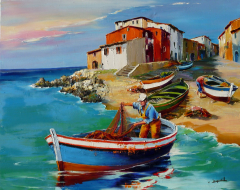
Christian Jequel is a contemporary French painter, born on January 16, 1935, in Ganges, in the Cévennes mountains. He lives and works in Marseille, where for several decades he has been developing a body of work deeply inspired by Provence, the sea, and scenes of rural life.
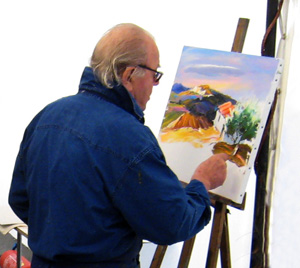
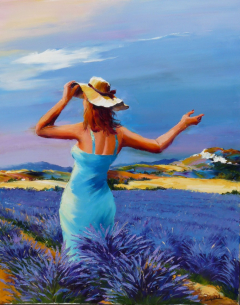
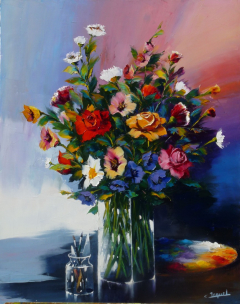
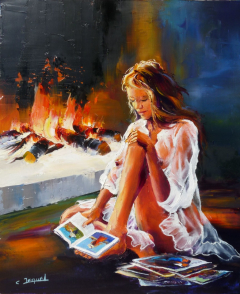
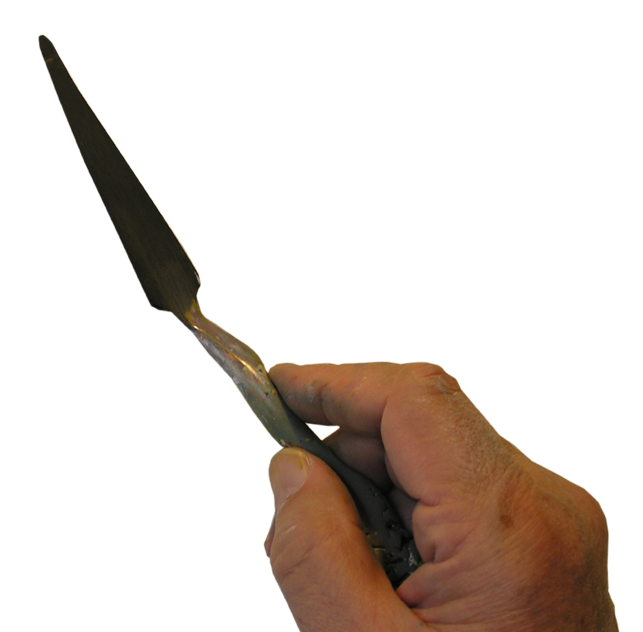
A passionate self-taught artist, he turned to painting at a very young age and gradually developed his own unique palette knife technique. This method involves creating form, light, and movement in a single stroke, without preliminary sketches, giving his paintings a great energy and an immediate sense of life.
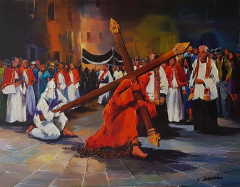
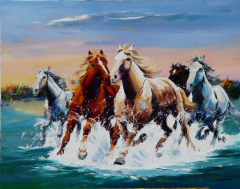
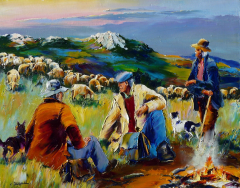
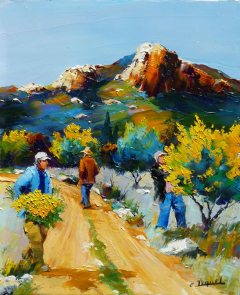
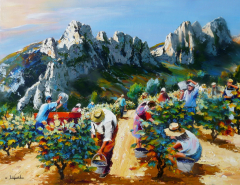
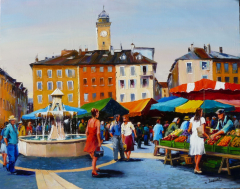
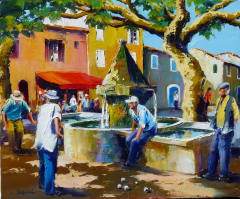
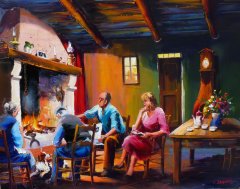
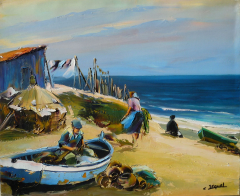
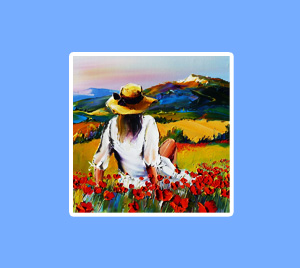
His work is characterized by the pursuit of movement and light, two essential elements in his artistic approach. The subjects he depicts are often inspired by the landscapes and traditions of southern France: pastoral scenes, markets, grape harvests, pétanque players, Camargue horses, and musicians.
Since the 1970s, Christian Jequel has exhibited in France and internationally, notably in the United States, China, and the Middle East. His figurative works, primarily oil paintings, are now held in numerous private collections and galleries.
Based in Marseille, the artist regularly opens his studio to the public, pursuing an artistic approach focused on sharing his world and his painting technique.